Understanding and Preventing Meningococcal Meningitis
TAKE ACTION TODAY TO PROTECT YOUR BELOVED CHILD AND FAMILY!
can be critical to your child’s and beloved ones (1)
alarming-statistics
Alarming Statistics
Mortality
rate
50%
Up to
if untreated. (1)
Long-term
Consequences
1 in 5
Survivors
may suffer from hearing loss, neurological damage, or intellectual disability. (1)
Global burden
Estimated at least
1.2
Million
Cases and ~ 135,000 deaths annually due to IMD. (3)
Critical time
window
24-48
Hours
Disease can become severe within. (1)
medical-perspective
Medical Perspective

Meningitis
is the inflammation of the membranes surrounding the brain and spinal cord, caused by bacteria, viruses, or fungi. (4)

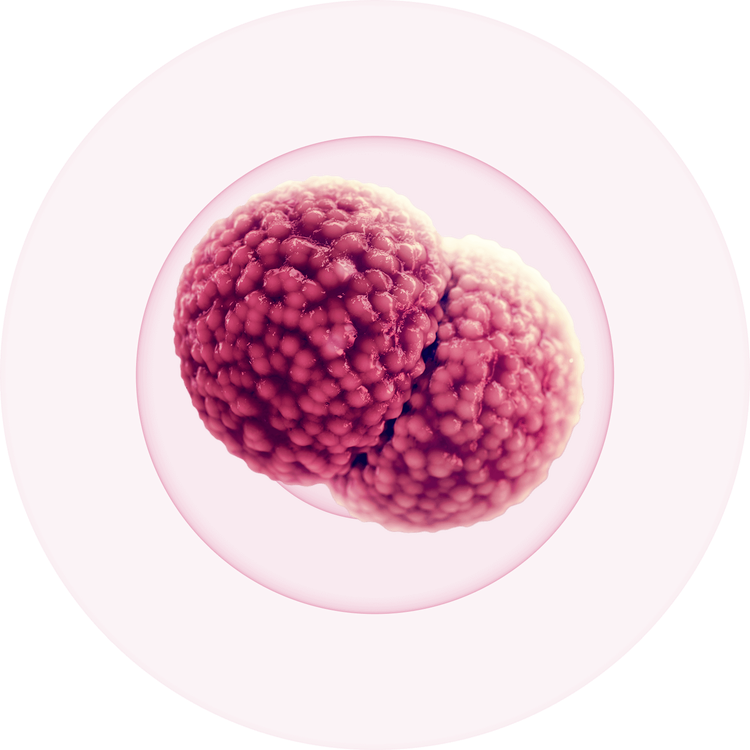
Meningococcal meningitis
is caused by Neisseria meningitidis. Nearly all invasive cases are due to six serogroups: A, B, C, W, X, and Y. (3)

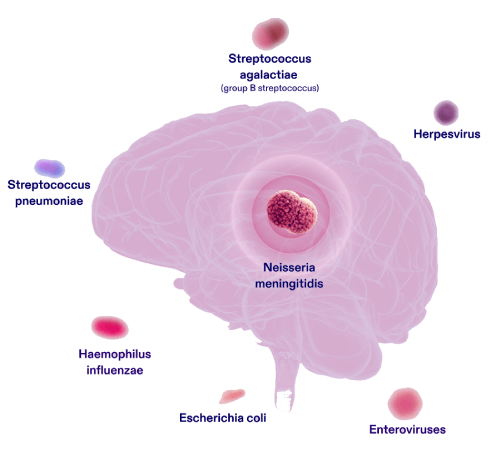
* Image for illustrative purposes only
disease-burden
Disease Burden
- 50%
- of patients die if not treated promptly. (1)
- 1 in 5
- survivors experience permanent sequelae. (1)
- Young children
- are particularly vulnerable to long-term physical and cognitive developmental impacts. (7)
Consequences of Meningococcal Meningitis (5)
Skin scarring
Hearing loss
Vision impairment
Motor impairment
Limb amputation
Intellectual disability
Epilepsy
high-risk
High-Risk Groups (6)
Who needs protection?

Older adults
(65+)
- Mortality rate can reach
- 20%
- in older adults even with modern antibiotics.
Infants &
young children
<2 years
- 146.321
- deaths in children
- under 5 due to
- meningitis (2016 data). (7)
- Highest risk
- of neurological complications under 1 year. (7)

Adolescents
(16–23 years)
- 24%
- of 19-year-olds
- may carry the bacteria asymptomatically. (9)
- 50%
- of cases in individuals aged 12+
- are caused by serogroups C, Y, W. (10)
- This is the second highest risk group (8)
- due to living in communal environments (schools, dormitories, military).
symptoms
Symptoms and Disease Progression (12)
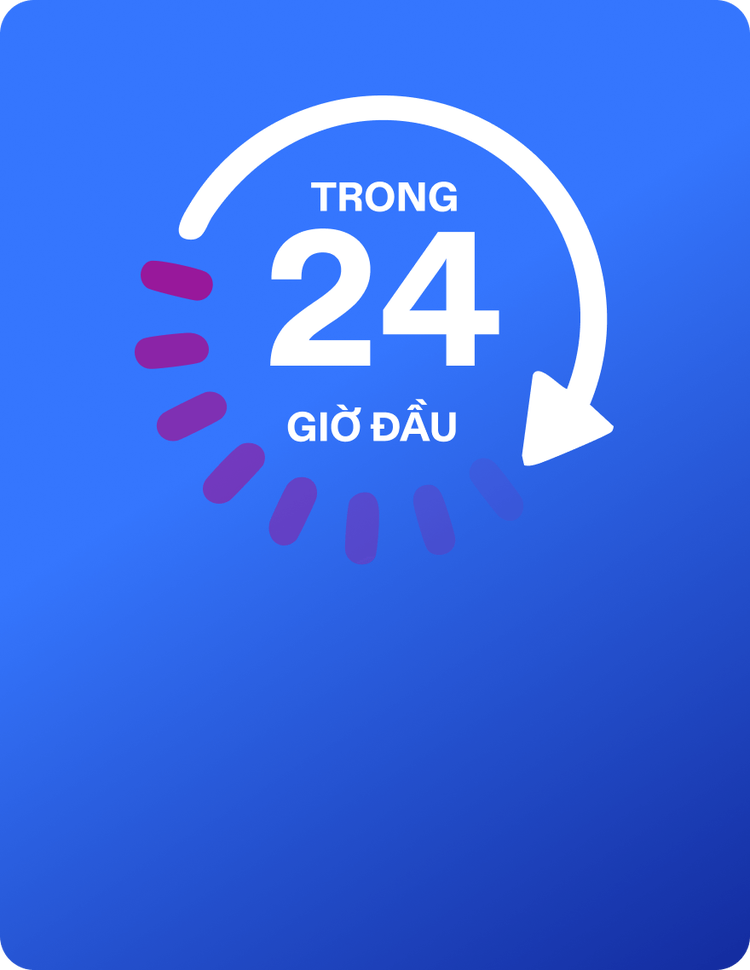
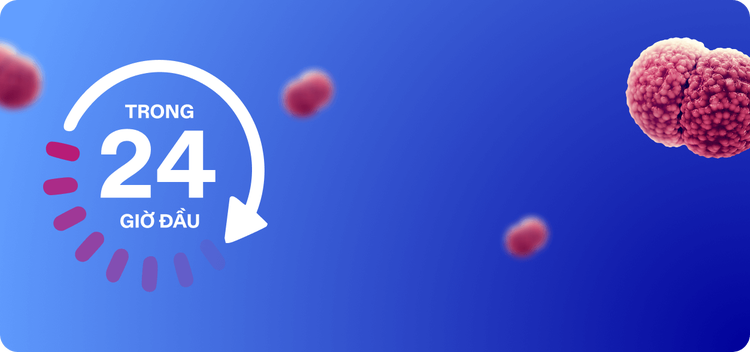
Rapid progression – Early recognition is key!

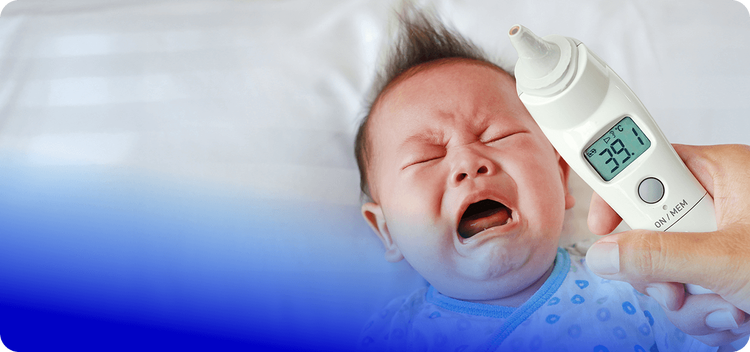
0–4 hours
High fever, nausea, vomiting
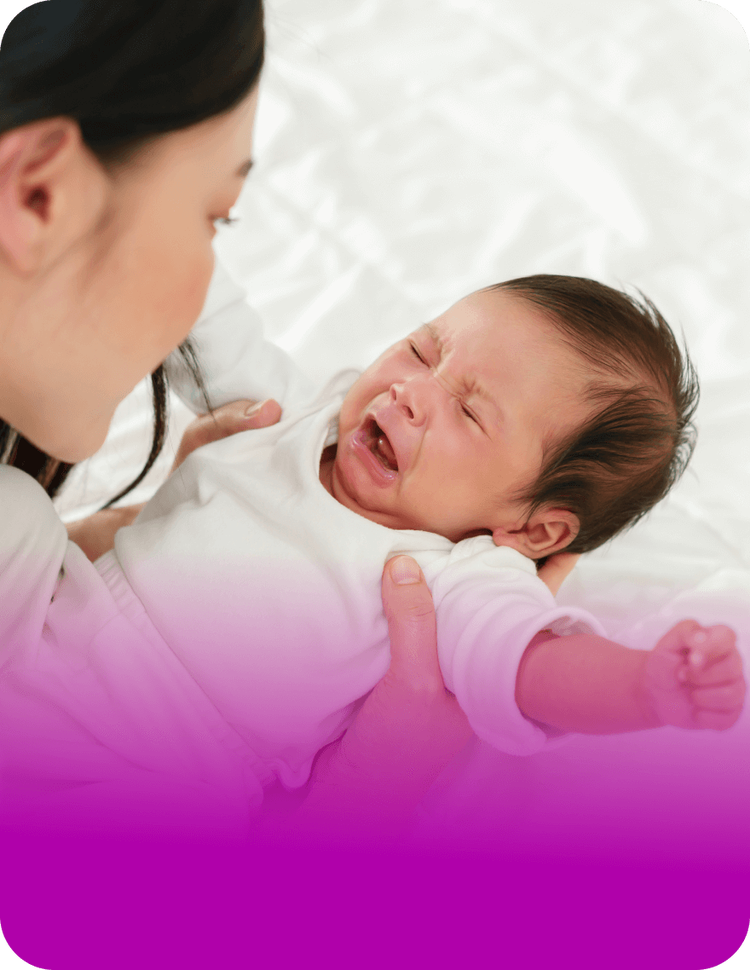

5–8 hours
Shortness of breath, cold extremities, pale skin
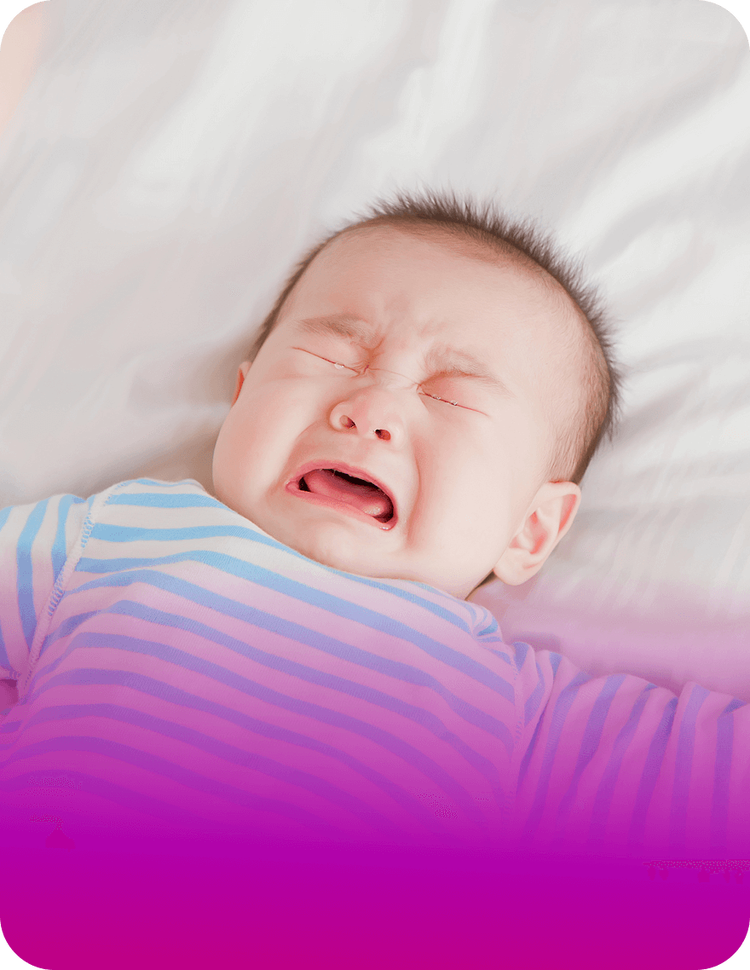
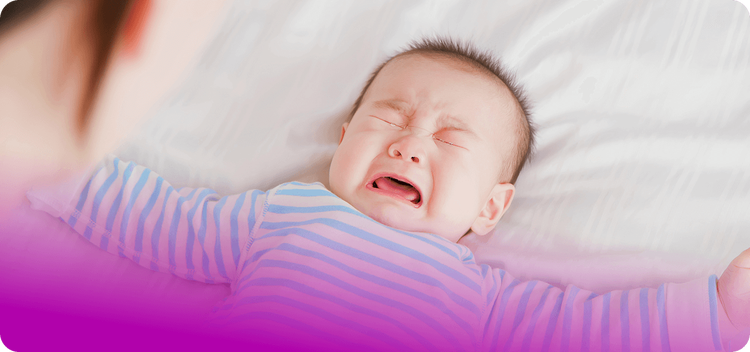
9–12 hours
Body aches, fatigue
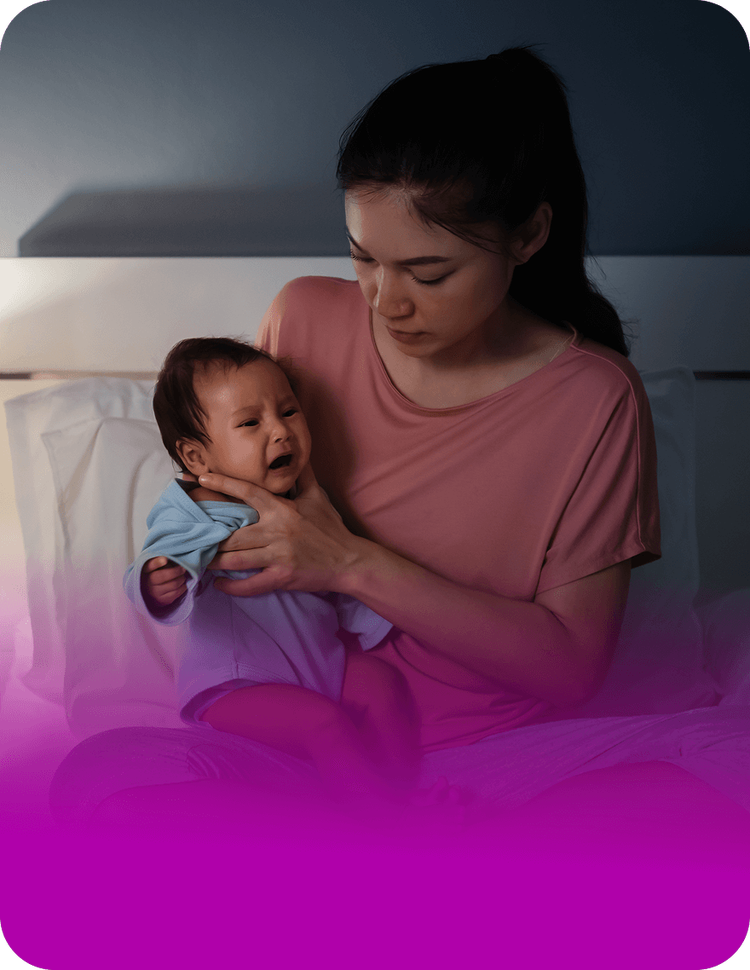
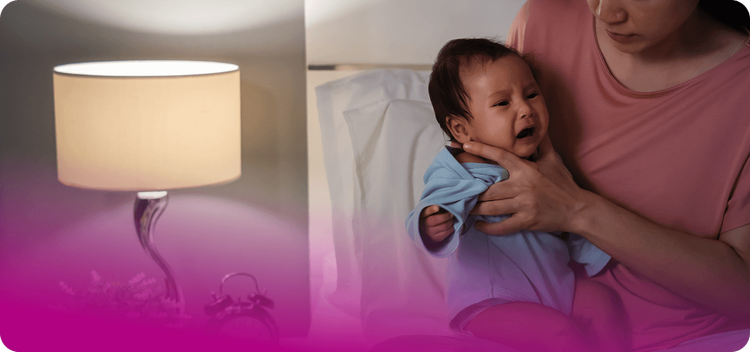
13–16 hours
Stiff neck, sensitivity to light
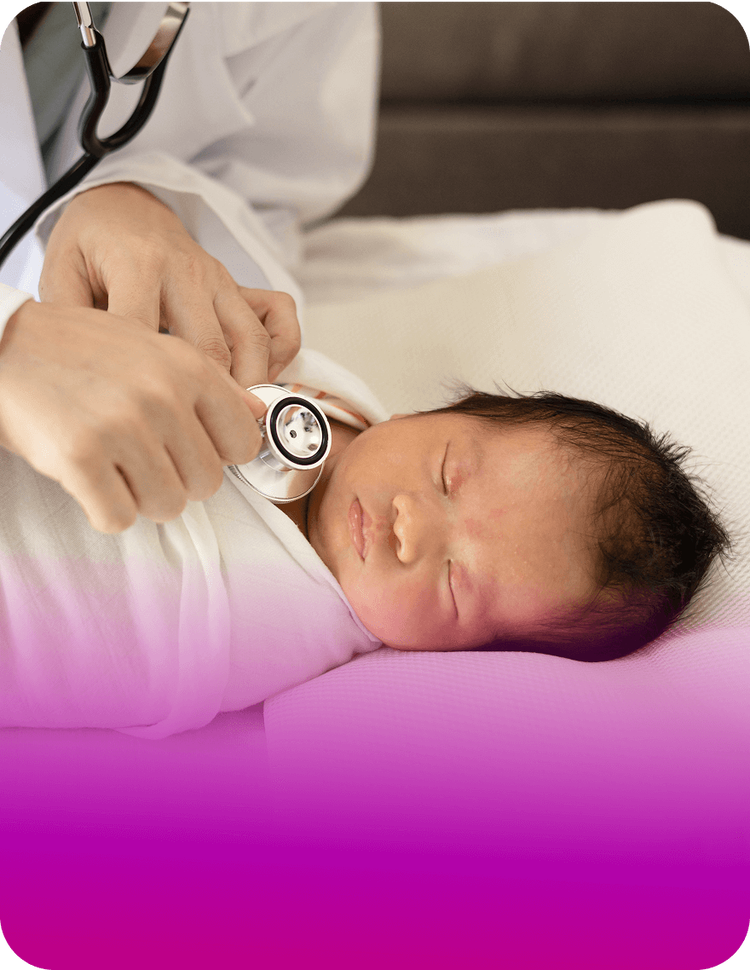
After 16 hours
Confusion, delirium, seizures, unconsciousness
WARNING
transmission
Transmission
1 in 10 people may carry the bacteria
without symptoms (13)
Spread via respiratory and throat secretions (e.g., saliva)
sneezing or coughing (13, 15)
Sharing items
Cups, toothbrushes
food, children's toys (14)
Close or prolonged contact
Kissing, living in the same household (13)
prevention
Prevention Measures

Consult your doctor for advice
on preventive measures, including protection against the 5 most common serogroups (A, C, W, Y, B).
Early recognition: Monitor symptoms (16).
Early detection of sepsis symptoms can improve diagnosis and reduce hospitalization time (12)
Take action now!
Don't hesitate, protect your baby and loved ones before it's too late!

meningococcal


MENINGOCOCCAL MENINGITIS
IS UNPREDICTABLE
PROTECT YOUR LOVED ONES
BY CONTACTING YOUR DOCTOR FOR CONSULTATION TODAY!
REFERENCES
(1) World Health Organization. (n.d.). Meningococcal Meningitis – WHO Regional Office for Africa. Retrieved July 7, 2025, from https://www.afro.who.int/health-topics/meningococcal-meningitis
(2) Centers for Disease Control and Prevention. (2024). CDC - Meningococcal Disease. In: Epidemiology and Prevention of Vaccine-Preventable Diseases (14th ed., Chapter 14). Retrieved July 7, 2025, from https://www.cdc.gov/pinkbook/hcp/table-of-contents/chapter-14-meningococcal-disease.html
(3) Jafri, R. Z., Ali, A., Messonnier, N. E., et al. (2013). Global epidemiology of invasive meningococcal disease. Population Health Metrics, 11(1), 17. https://doi.org/10.1186/1478-7954-11-17
(4) World Health Organization. (n.d.). Meningitis. Retrieved July 7, 2025, from https://www.who.int/news-room/fact-sheets/detail/meningitis
(5) Ladhani, S. N., et al. (2020). Outcomes of invasive meningococcal serogroup B disease in children and adolescents (MOSAIC): a case-control study. The Lancet Child & Adolescent Health, 4(4), 255–266. https://doi.org/10.1016/S2352-4642(20)30004-5
(6) Centers for Disease Control and Prevention. (2024). Meningococcal Disease – Infection Control in Healthcare Personnel. Retrieved July 7, 2025, from https://www.cdc.gov/infection-control/hcp/healthcare-personnel-epidemiology-control/meningococcal-disease.html
(7) GBD 2016 Meningitis Collaborators. (2018). Global, regional, and national burden of meningitis, 1990–2016: a systematic analysis for the Global Burden of Disease Study 2016. The Lancet Neurology, 17(12), 1061–1082. https://doi.org/10.1016/S1474-4422(18)30387-9
(8) Centers for Disease Control and Prevention. (2024). Risk Factors for Meningococcal Disease. Retrieved July 7, 2025, from https://www.cdc.gov/meningococcal/risk-factors/index.html
(9) Christensen, H., May, M., Bowen, L., Hickman, M., & Trotter, C. L. (2010). Meningococcal carriage by age: a systematic review and meta-analysis. The Lancet Infectious Diseases, 10(12), 853–861. https://doi.org/10.1016/S1473-3099(10)70251-6
(10) Centers for Disease Control and Prevention. (2025, May 9). Meningococcal Disease Surveillance and Trends. Retrieved July 7, 2025, from https://www.cdc.gov/meningococcal/php/surveillance/
(11) Choi, C. (2001). Bacterial Meningitis in Aging Adults. Clinical Infectious Diseases, 33(8), 1380–1385. https://doi.org/10.1086/323126
(12) Thompson, M. J., Ninis, N., Perera, R., et al. (2006). Clinical recognition of meningococcal disease in children and adolescents. The Lancet, 367(9508), 397–403. https://doi.org/10.1016/S0140-6736(06)67932-4
(13) Centers for Disease Control and Prevention. (2024). About Meningococcal Disease. Retrieved July 7, 2025, from https://www.cdc.gov/meningococcal/about/index.html
(14) Canadian Paediatric Society. (2020). Meningococcal disease – Caring for Kids. Retrieved July 7, 2025, from https://caringforkids.cps.ca/handouts/meningococcal_disease
(15) World Health Organization. (n.d.). Meningococcal Meningitis – WHO Regional Office for Africa. Retrieved July 7, 2025, from https://www.afro.who.int/health-topics/meningococcal-meningitis
(16) World Health Organization. (2021). Preventing and controlling meningitis outbreaks. Retrieved July 7, 2025, from https://www.who.int/publications/i/item/9789240026461