Hiểu và phòng ngừa - Viêm Màng Não Do Não Mô Cầu
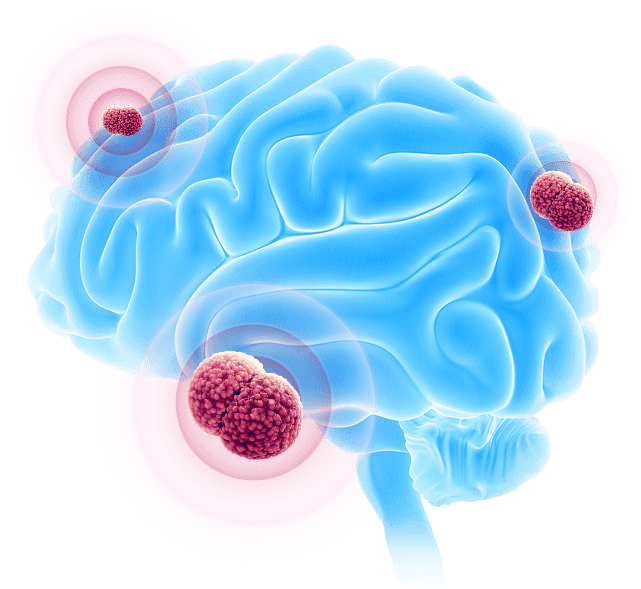
HÀNH ĐỘNG NGAY HÔM NAY ĐỂ BẢO VỆ BÉ YÊU VÀ NGƯỜI THÂN!

có thể là mốc quyết định sự sống của bé yêu và người thân (1)
alarming-statistics
Những con số cảnh báo

Tỉ lệ
tử vong
50%
Người bệnh
tử vong nếu không được điều trị kịp thời (1).
Di chứng
lâu dài
1 / 5
Người sống sót
mất thính lực, tổn thương thần kinh, thiểu năng trí tuệ (1).
Gánh nặng
toàn cầu
1 , 2 Triệu
Ca mắc mới
trên toàn thế giới mỗi năm, với khoảng 135.000 ca tử vong (3).
Thời gian
nguy hiểm
24-48
Giờ đầu
là thời gian bệnh diễn tiến nghiêm trọng, sau triệu chứng đầu tiên (1).
medical-perspective
Góc nhìn y khoa

Viêm màng não
là tình trạng viêm các màng bao quanh não và tủy sống, có thể do vi khuẩn, virus hoặc nấm gây ra.(4)

Viêm màng não do não mô cầu
là do vi khuẩn Neisseria meningitidis, thường gặp ở các nhóm huyết thanh A, B, C, W, X, Y.(3)

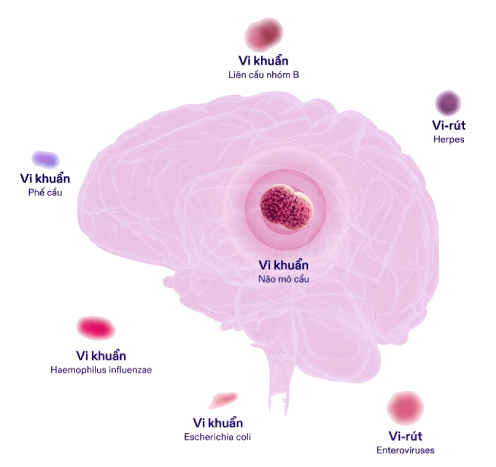
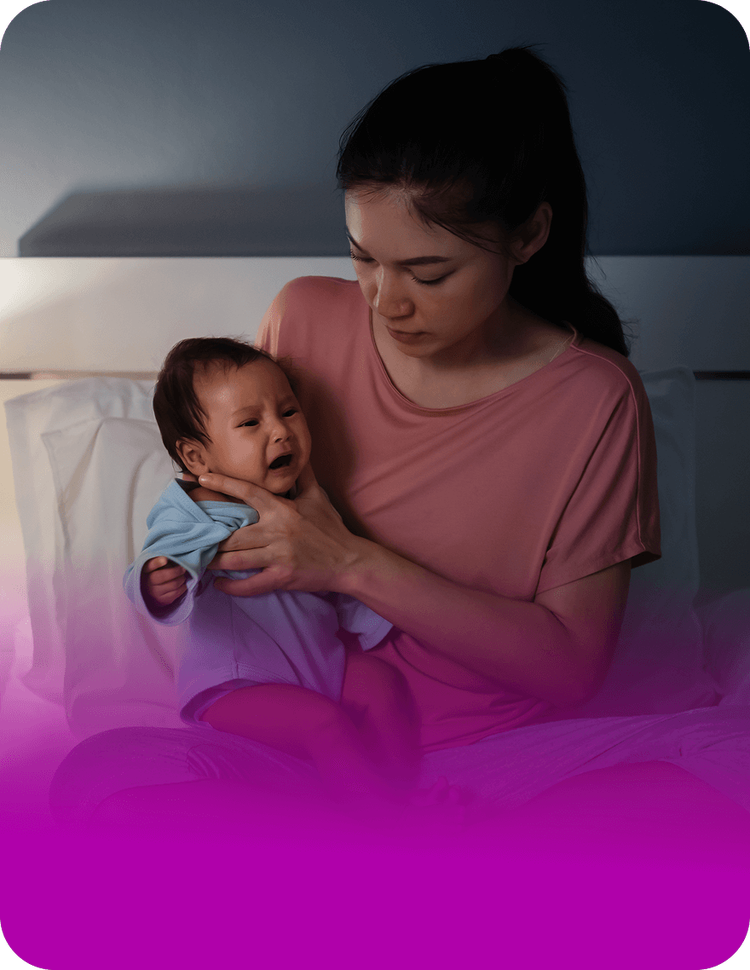
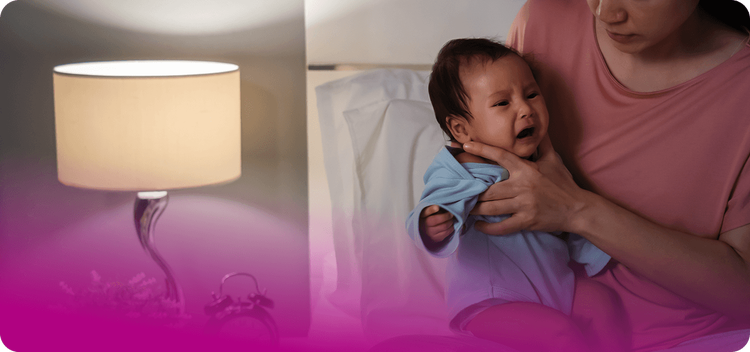
*Hình ảnh chỉ mang tính chất minh hoạ
disease-burden
Gánh nặng bệnh tật
- 50%
- người bệnh tử vong nếu không điều trị kịp thời.(1)
- 1/5
- người sống sót gặp các di chứng vĩnh viễn.(1)
- Trẻ nhỏ
- dễ bị ảnh hưởng lâu dài đến thể chất và trí tuệ.(7)
Hậu quả của Viêm màng não do não mô cầu (5)
Sẹo da
Mất thính lực
Suy giảm thị lực
Suy giảm vận động
Cắt cụt chi
Thiểu năng trí tuệ
Động kinh
high-risk
Nhóm nguy cơ cao nhất (6)
Ai cần được bảo vệ?

Người lớn
trên 65 tuổi
- Tỷ lệ tử vong đến
- 20%
- ở người lớn tuổi dù được điều trị bằng kháng sinh hiện đại.
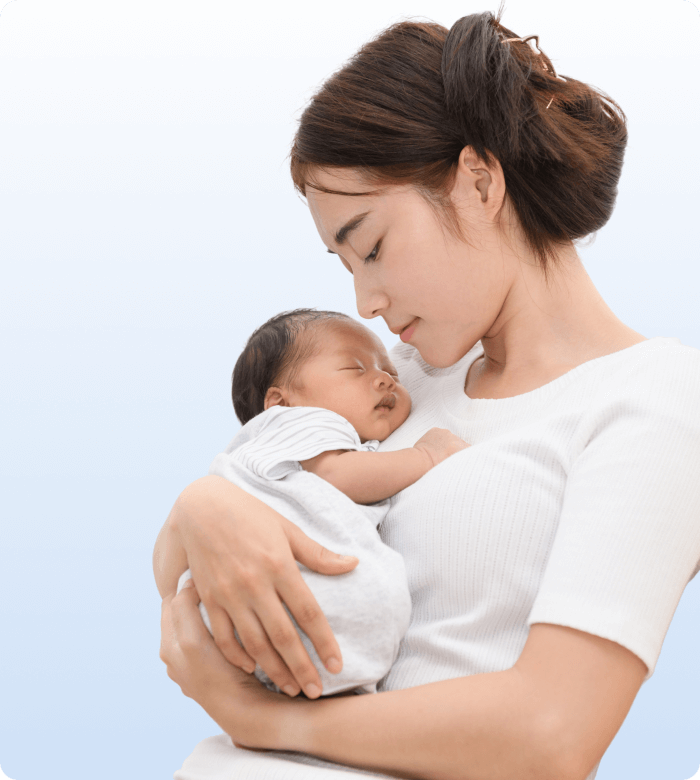
Trẻ nhũ nhi
và trẻ nhỏ
dưới 2 tuổi
- 146.321
- ca tử vong
- ở trẻ dưới 5 tuổi do
- viêm màng não (số liệu 2016). (7)
- Khuyết tật thần kinh
- có nguy cơ cao nhất xảy ra ở trẻ dưới 1 tuổi. (7)

Thanh thiếu niên
16 đến 23 tuổi
- 24%
- thanh niên 19 tuổi
- có thể mang vi khuẩn mà không có triệu chứng (9).
- 50%
- ca bệnh độ tuổi 12+
- do các nhóm huyết thanh C, Y, W (10).
- Là nhóm nguy cơ cao thứ hai (8)
- do sống trong môi trường tập thể (trường học, ký túc xá, quân đội)
symptoms
Triệu chứng bệnh - Tiến trình nguy hiểm (12)
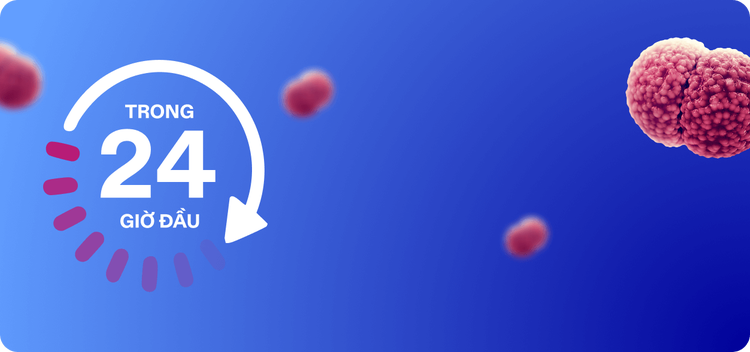
Bệnh tiến triển nhanh. Nhận biết sớm để can thiệp kịp thời!
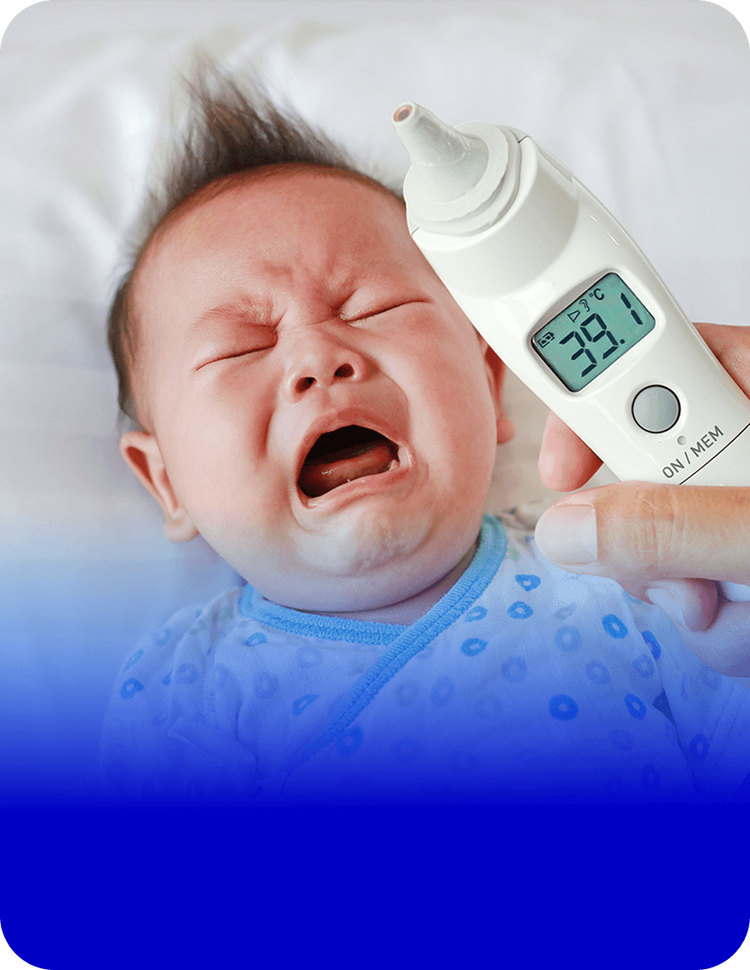
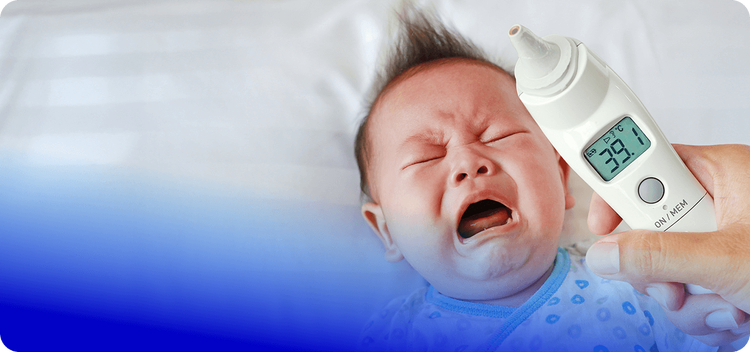
0-4 Giờ
Sốt cao, buồn nôn, nôn mửa
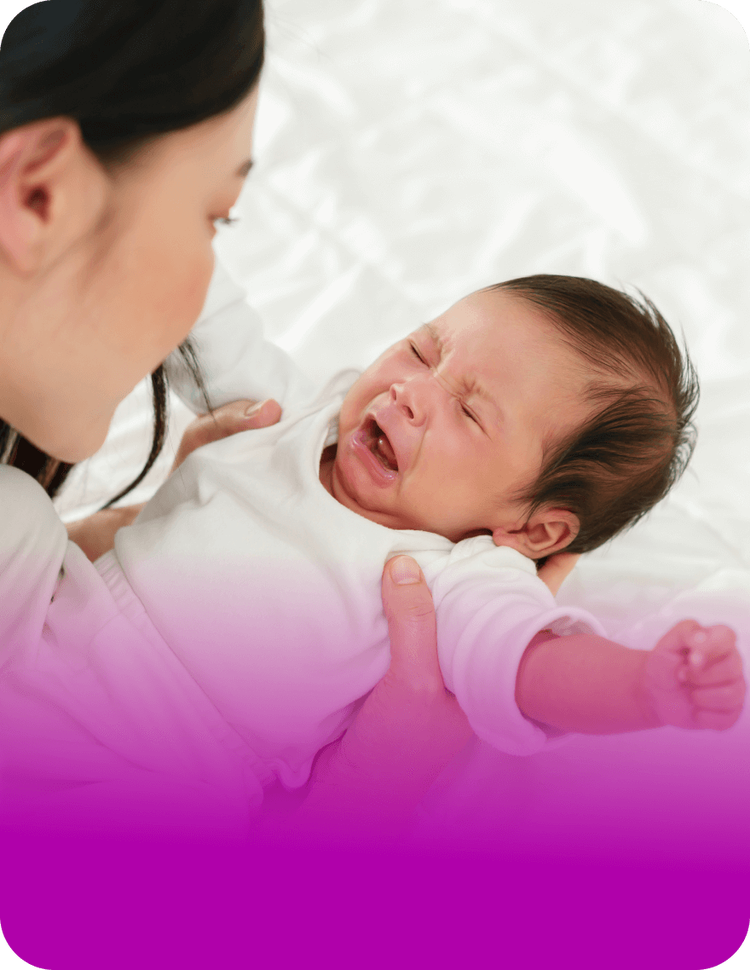

5-8 Giờ
Khó thở, tay chân lạnh, da tái
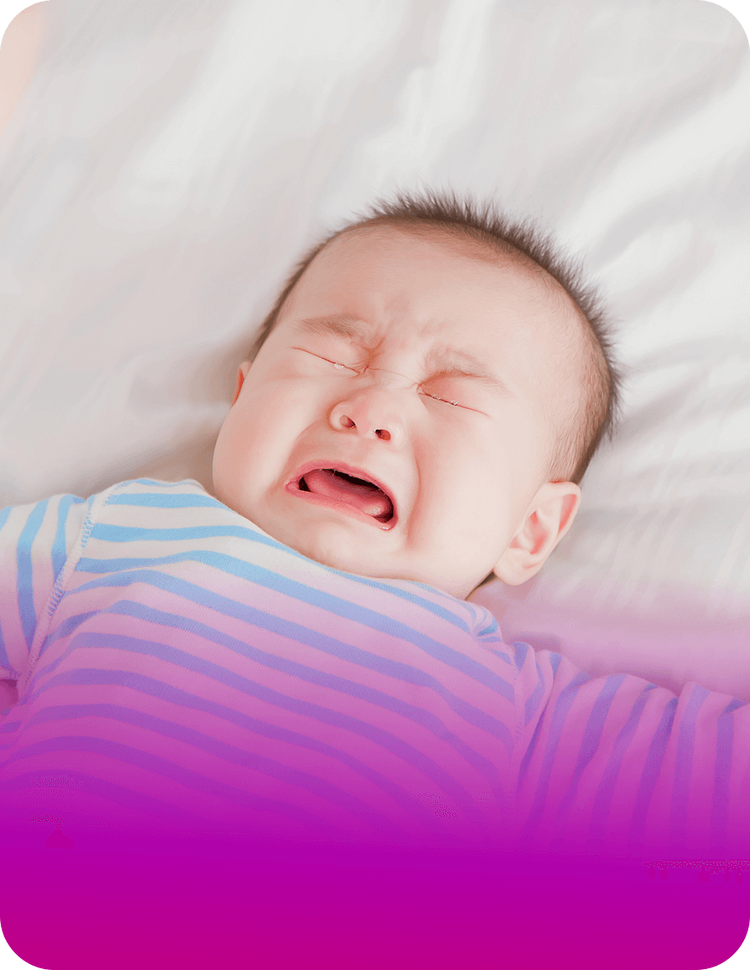
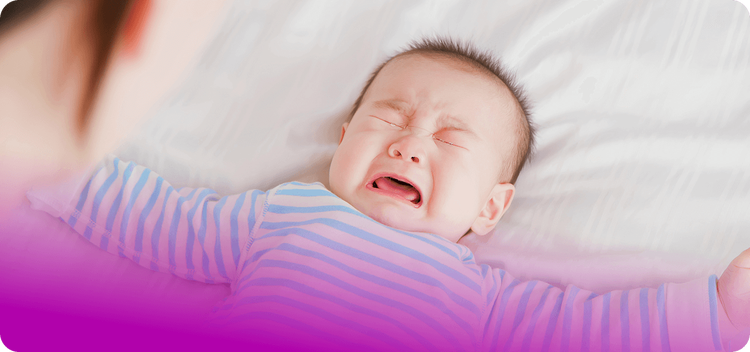
9-12 Giờ
Đau nhức toàn thân, mệt mỏi
13-16 Giờ
Cứng cổ, sợ ánh sáng


16+ Giờ
Lú lẫn, mê sảng, co giật, bất tỉnh
Cảnh báo
transmission
Phương thức lây truyền
1/10 người có thể mang vi khuẩn mà
không có triệu chứng (13)

Qua dịch tiết đường hô hấp và cổ họng (như nước bọt)
hắt hơi hoặc ho (13, 15)
Tiếp xúc gần hoặc kéo dài
Hôn, sống chung trong cùng một nhà (13)
Chia sẻ đồ dùng
Ly nước, bàn chải,
đồ ăn, đồ chơi trẻ em (14)
prevention
Biện pháp phòng ngừa

Tham khảo ý kiến bác sĩ
để được tư vấn về các biện pháp phòng ngừa, bao gồm dự phòng chống lại 5 nhóm huyết thanh phổ biến (A, C, W, Y, B).
Nhận biết sớm: Theo dõi triệu chứng (16).
Việc nhận biết sớm các triệu chứng nhiễm trùng huyết có thể giúp tăng tỷ lệ trẻ được phát hiện bởi các bác sĩ tuyến đầu và rút ngắn thời gian nhập viện (12)
Hành động ngay!
Đừng chần chừ, bảo vệ bé yêu và người thân của bạn trước khi quá muộn!

meningococcal


VIÊM MÀNG NÃO MÔ CẦU
LÀ KHÔNG THỂ ĐOÁN TRƯỚC
BẢO VỆ NHỮNG NGƯỜI THÂN YÊU
BẰNG CÁCH LIÊN HỆ BÁC SĨ TƯ VẤN NGAY HÔM NAY!
TÀI LIỆU THAM KHẢO
(1) World Health Organization. (n.d.). Meningococcal Meningitis – WHO Regional Office for Africa. Retrieved July 7, 2025, from https://www.afro.who.int/health-topics/meningococcal-meningitis
(2) Centers for Disease Control and Prevention. (2024). CDC - Meningococcal Disease. In: Epidemiology and Prevention of Vaccine-Preventable Diseases (14th ed., Chapter 14). Retrieved July 7, 2025, from https://www.cdc.gov/pinkbook/hcp/table-of-contents/chapter-14-meningococcal-disease.html
(3) Jafri, R. Z., Ali, A., Messonnier, N. E., et al. (2013). Global epidemiology of invasive meningococcal disease. Population Health Metrics, 11(1), 17. https://doi.org/10.1186/1478-7954-11-17
(4) World Health Organization. (n.d.). Meningitis. Retrieved July 7, 2025, from https://www.who.int/news-room/fact-sheets/detail/meningitis
(5) Ladhani, S. N., et al. (2020). Outcomes of invasive meningococcal serogroup B disease in children and adolescents (MOSAIC): a case-control study. The Lancet Child & Adolescent Health, 4(4), 255–266. https://doi.org/10.1016/S2352-4642(20)30004-5
(6) Centers for Disease Control and Prevention. (2024). Meningococcal Disease – Infection Control in Healthcare Personnel. Retrieved July 7, 2025, from https://www.cdc.gov/infection-control/hcp/healthcare-personnel-epidemiology-control/meningococcal-disease.html
(7) GBD 2016 Meningitis Collaborators. (2018). Global, regional, and national burden of meningitis, 1990–2016: a systematic analysis for the Global Burden of Disease Study 2016. The Lancet Neurology, 17(12), 1061–1082. https://doi.org/10.1016/S1474-4422(18)30387-9
(8) Centers for Disease Control and Prevention. (2024). Risk Factors for Meningococcal Disease. Retrieved July 7, 2025, from https://www.cdc.gov/meningococcal/risk-factors/index.html
(9) Christensen, H., May, M., Bowen, L., Hickman, M., & Trotter, C. L. (2010). Meningococcal carriage by age: a systematic review and meta-analysis. The Lancet Infectious Diseases, 10(12), 853–861. https://doi.org/10.1016/S1473-3099(10)70251-6
(10) Centers for Disease Control and Prevention. (2025, May 9). Meningococcal Disease Surveillance and Trends. Retrieved July 7, 2025, from https://www.cdc.gov/meningococcal/php/surveillance/
(11) Choi, C. (2001). Bacterial Meningitis in Aging Adults. Clinical Infectious Diseases, 33(8), 1380–1385. https://doi.org/10.1086/323126
(12) Thompson, M. J., Ninis, N., Perera, R., et al. (2006). Clinical recognition of meningococcal disease in children and adolescents. The Lancet, 367(9508), 397–403. https://doi.org/10.1016/S0140-6736(06)67932-4
(13) Centers for Disease Control and Prevention. (2024). About Meningococcal Disease. Retrieved July 7, 2025, from https://www.cdc.gov/meningococcal/about/index.html
(14) Canadian Paediatric Society. (2020). Meningococcal disease – Caring for Kids. Retrieved July 7, 2025, from https://caringforkids.cps.ca/handouts/meningococcal_disease
(15) World Health Organization. (n.d.). Meningococcal Meningitis – WHO Regional Office for Africa. Retrieved July 7, 2025, from https://www.afro.who.int/health-topics/meningococcal-meningitis
(16) World Health Organization. (2021). Preventing and controlling meningitis outbreaks. Retrieved July 7, 2025, from https://www.who.int/publications/i/item/9789240026461